

- Start playing the video
- Click CC at bottom right
- Click the gear icon to its right
- Click Subtitles/CC
- Click Auto-translate
- Select language you want
The Decision Makers: Learning From Failures and Raising the New Generation
In part one of our interview with Neepawa and Area Immigrant Settlement Services Executive Director Don Walmsley, we covered the role of settlement services and the decision-making process. In part two, we look at the impact of working in a sector that deals directly with people, and the specific areas that the Neepawa settlement services office works in.
One point that Walmsley is very firm on is that they are looking at what will help people in a real sense, and that there is no point in putting something in place that won’t do anything actionable. He is also a big proponent of learning from mistakes and moving on, citing a Thomas Edison anecdote that before he managed to build a working light bulb, all of his previous attempts, as Edison said, weren’t failures but part of the learning process. Every time something didn’t work, he learned something new that contributed to the one that did.
That is also an approach that works with program development and policy making - if something didn’t work, identify what didn’t work and then go back to addressing the issue with a new attempt.
Living in a smaller centre actually makes you better able to address things, says Walmsley. While you’re never going to please everyone, making an impact in a smaller community is easier than making an impact in a large city. It also means that, to an even greater degree, you are not making decisions in isolation. Small decisions can have cascading impacts. Walmsley says he’s always considering the greater impact of any decision he’s making in his position.
Some areas that settlement services works in specifically are a first intake and settlement program which deals with understanding documents, delivering information sessions, and finding out the specific needs of newcomers. They also have an employment officer who works not only with newcomers seeking employment but also with employers on workplace diversity. Programs start right at prenatal and preschool ages, and while they haven’t needed any seniors’ programs yet, Walmsley says they will probably be needing them within the next few years as different generations join the family in Canada.
One of the most successful programs is Settlement Workers In Schools (SWIS). With newcomers arriving in the community every month, students are also arriving in schools at all times of year and at all levels of previous education. SWIS workers are working in four local school divisions, helping integrate all students and working with older students who have recently arrived to ensure they have the credentials necessary to attend a Canadian university, which sometimes means an extra year of high school to meet prerequisites.
There is another angle to settlement services that isn’t always recognized, and that is helping when the first generation raised in this new culture has a different outlook on what their life and future will look like. While that is exactly what many families wanted in choosing to come to Neepawa, it’s still a type of culture shock that settlement can help families understand and work through. A common example is children wanting to leave home to attend university, where previously the children would have stayed home or the family would have moved alongside them.
Walmsley concludes with a note that his background working in Family Services taught him how to work in partnership with other organizations, and how if you didn’t network, you didn’t get very far. He firmly believes in giving back to the community, and says that the community gets better or worse depending on what we, its people, do.
Add new comment

As Neepawa and area’s local access television station, NACTV has been serving the community since 1977. The station is a community-owned not-for-profit organisation that broadcasts 24 hours a day and reaches homes throughout Manitoba and Canada on Bell ExpressVu 592, MTS Channel 30/1030, and WCG 117 as well as streaming online at nactv.tv.
NACTV’s content is primarily filmed and produced by local volunteers and focuses on issues, activities, achievements, sports, and news by, about, and of interest to our community.
Neepawa is located in western Manitoba, about two hours west of Winnipeg and 45 minutes southeast of Riding Mountain National Park.
Recent Media
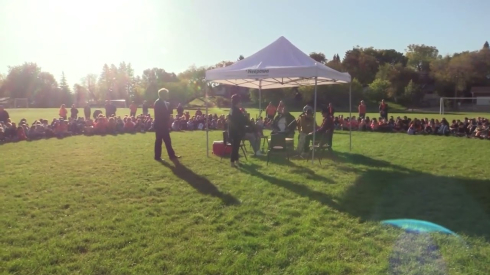
Celebrating Indigenous Culture Day 2025 in Neepawa

Concerned Citizens Reach Out About Sale of Municipal Office
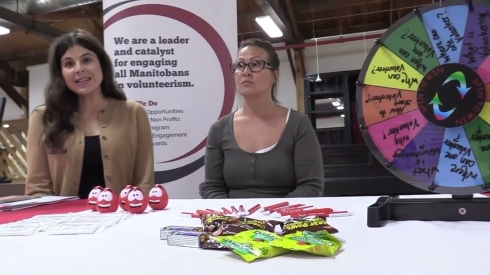
Volunteer Fair Showcases Local Opportunities in Neepawa
We encourage comments which further the dialogue about the stories we post. Comments will be moderated and posted if they follow these guidelines:
The Community Media Portal reserves the right to reject any comments which do not adhere to these minimum standards.