

- Start playing the video
- Click CC at bottom right
- Click the gear icon to its right
- Click Subtitles/CC
- Click Auto-translate
- Select language you want
Gender-Based Violence Sees Shocking Increase During Pandemic
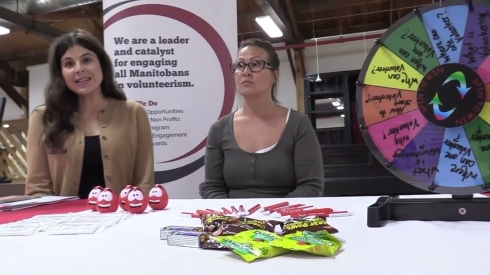
Mia Bastine, Director of Operations and Development, and Cara McCaskill, Sexual Assault Resource Coordinator, are on the front lines of advocacy against gender-based violence in their roles at the Women’s Resource Centre in Brandon, which serves the entire Westman Region. Services through the facility include counselling for women and children, legal clinics, and an advocate network. They are also able to take third-party reports of sexual assault, which is an option to allow women to avoid going directly to the police.
Right now all their services are offered through their Brandon location, but they are in the process of reaching out to rural communities to assess their needs and explore the possibility of partnerships. They are looking particularly at a regional sexual assult response team expanding in a 150 kilometre radius of Brandon, a “network of care throughout Western Manitoba.”
The Women’s Resource Centre is already able to offer counselling services in Spanish in addition to English, and they are looking to expand their abilities in that area. In particular, and in response to the large Filipino population in Westman and the use of their services by newcomer women, they hope to add Tagalog to the languages in which they can offer services.
The most startling information they shared was the effect of the pandemic on rates of violence in Westman.
It’s been called The Shadow Pandemic by the UN, a global increase in violence against women and girls during the COVID-19 pandemic. The Women’s Resource Centre estimates a tenfold increase in demand for their services now as compared to before COVID-19 hit. Women are already at heightened risk in disaster settings, and on top of that many abusive situations were triggered or worsened by quarantine and shelter in place orders.
The problem is exacerbated by the fact that funding has not kept up with the demand for services. Most COVID-19 relief funding had specific uses that did not address the needs of this sector, particularly as we move into more longer-term needs. Shelters remained open and the centre was able to pivot to a virtual model for counselling and advocacy services, but the need vastly outstripped the resources. Despite the fact that they have unprecedented waiting lists for services, particularly counselling, they lack funding for additional staff positions or counsellors.
While the pandemic restricts volunteer opportunities, people can help through donations to the organisation, whether that’s monetary donations or giving items to the hygiene program such as toothbrushes, tampons, and shampoo for women and children in shelter situations.
Add new comment

As Neepawa and area’s local access television station, NACTV has been serving the community since 1977. The station is a community-owned not-for-profit organisation that broadcasts 24 hours a day and reaches homes throughout Manitoba and Canada on Bell ExpressVu 592, MTS Channel 30/1030, and WCG 117 as well as streaming online at nactv.tv.
NACTV’s content is primarily filmed and produced by local volunteers and focuses on issues, activities, achievements, sports, and news by, about, and of interest to our community.
Neepawa is located in western Manitoba, about two hours west of Winnipeg and 45 minutes southeast of Riding Mountain National Park.
Recent Media

New Events Centre Could Put Multiple Facilities Under One Roof
Celebrating Indigenous Culture Day 2025 in Neepawa

Concerned Citizens Reach Out About Sale of Municipal Office
We encourage comments which further the dialogue about the stories we post. Comments will be moderated and posted if they follow these guidelines:
The Community Media Portal reserves the right to reject any comments which do not adhere to these minimum standards.