

- Mettre en route la vidéo
- Cliquer sur l’icône « CC » (Sous-titre) en bas à droite
- Cliquer sur l’icône « Settings » (Paramètre) en bas à droite
- Cliquer sur «Subtitles » (Sous-titres)
- Cliquer sur « Auto-translate » (Traduire automatiquement)
- Sélectionner la langue de votre choix
Inside Montreal's cooperative food delivery service
Mansib Rahman, CEO of Radish, a Montreal-based food delivery cooperative, shared insights into how the company is transforming the food delivery space through its unique worker-owned model. In a candid conversation, Mansib discussed Radish’s expansion, its ethical approach to logistics, and its push to provide a more sustainable alternative to mainstream services like Uber Eats and DoorDash.
Radish, originally focused on food delivery, has now expanded to offer a wide range of products, including pet supplies and even wedding decorations. “We’re not just delivering food anymore,” Mansib said. “We’re involved in a variety of logistics services—from grocery deliveries to providing businesses with supplies.” This flexibility, he notes, sets Radish apart in a market dominated by large, for-profit platforms.
One of the key differences Mansib highlighted is Radish’s approach to its workforce. While gig economy giants like Uber Eats split jobs into individual “gigs,” Radish employs drivers on a regular schedule. “The principal reason for us having employees is economic,” Mansib explained. “A driver who feels secure in their role and is getting a fair wage is a lot more efficient than someone constantly hunting for their next gig.”
Mansib also addressed the scalability of big delivery services, acknowledging the appeal of gig-based models but stressing the drawbacks. “Uber’s main concern wasn’t efficiency; it was scalability,” he said. “By not hiring full-time employees, they can scale up quickly, but it comes at the expense of worker welfare and community investment.”
As Radish continues to grow, Mansib is committed to creating a business model that prioritizes fairness, sustainability, and a more stable work environment for its drivers. “The model we’re building isn’t just about competing with others—it’s about doing it better for everyone involved,” he concluded.
Ajouter un commentaire

Médias récents
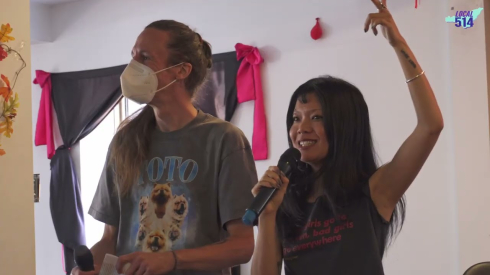
Montreal’s Defund Fest: honouring lives, building community
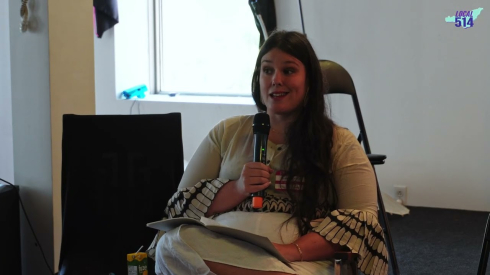
Montreal's Defund Fest: rethinking sex work and repression
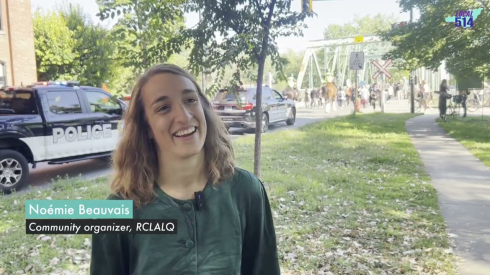
Montreal tenants push back: rent reform under fire

Commentaires
Nous encourageons les commentaires qui favorisent le dialogue sur les histoires que nous publions. Les commentaires seront modérés et publiés s'ils respectent ces lignes directrices:
Le portail des médias communautaires se réserve le droit de rejeter tout commentaire ne respectant pas ces normes minimales.