


- Mettre en route la vidéo
- Cliquer sur l’icône « CC » (Sous-titre) en bas à droite
- Cliquer sur l’icône « Settings » (Paramètre) en bas à droite
- Cliquer sur «Subtitles » (Sous-titres)
- Cliquer sur « Auto-translate » (Traduire automatiquement)
- Sélectionner la langue de votre choix
Sheep Shearing Industry Draws Interest from Diverse Manitobans
Sheep shearing is the family business for many people in the trade, but demonstration shearer Chloe Bermejo came to it much later. While she knew she wanted to work with animals from a young age, Bermejo is neither from a farm family nor even a region where sheep are prevalent.
Bermejo’s family emigrated to Canada in 2011 from the Philippines via Dubai and settled in Yorkton, Saskatchewan. Bermejo now calls Plumas home, just a short drive north of Neepawa. It was her partner Russell and his family who introduced her to the trade of sheep shearing, which has now been her profession for two years. In that short period of time, she’s now performing sheep shearing demonstrations for hundreds of people at one of Manitoba’s largest agricultural fairs.
Bermejo says she particularly enjoys doing demonstrations for kids, who are eager to learn about the animals and the job.There are a lot of sheep in the Westman area and not a lot of shearers, which is why it has become so important for people like Bermejo to come into the trade from all backgrounds. Demonstrations like the one at the winter fair help introduce people to the profession, one which actually gamifies its task and holds shearing competitions all over the world, and as well they are beginning to hold shearing schools to train new shearers who might not have come from sheep farms themselves.
Wool is big business, not only for the textile industry but for other industries as well, including new uses as fertilizer. As Bermejo says, we can be doing so much more with wool than we currently are. The family’s own farm has about 450 head right now, and they are hoping to increase that to 1,000. That means more work for shearers, and even though Bermejo has set her goals to increase from 80 to 100 sheep in a day to 150, that still leaves a huge gap for more people to be encouraged into the trade.
Ajouter un commentaire

As Neepawa and area’s local access television station, NACTV has been serving the community since 1977. The station is a community-owned not-for-profit organisation that broadcasts 24 hours a day and reaches homes throughout Manitoba and Canada on Bell ExpressVu 592, MTS Channel 30/1030, and WCG 117 as well as streaming online at nactv.tv.
NACTV’s content is primarily filmed and produced by local volunteers and focuses on issues, activities, achievements, sports, and news by, about, and of interest to our community.
Neepawa is located in western Manitoba, about two hours west of Winnipeg and 45 minutes southeast of Riding Mountain National Park.
Médias récents
Road Issues Continue to Plague RM of Rosedale

New Events Centre Could Put Multiple Facilities Under One Roof
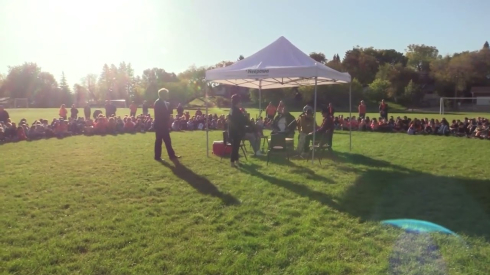
Celebrating Indigenous Culture Day 2025 in Neepawa




Commentaires
Nous encourageons les commentaires qui favorisent le dialogue sur les histoires que nous publions. Les commentaires seront modérés et publiés s'ils respectent ces lignes directrices:
Le portail des médias communautaires se réserve le droit de rejeter tout commentaire ne respectant pas ces normes minimales.