

- Mettre en route la vidéo
- Cliquer sur l’icône « CC » (Sous-titre) en bas à droite
- Cliquer sur l’icône « Settings » (Paramètre) en bas à droite
- Cliquer sur «Subtitles » (Sous-titres)
- Cliquer sur « Auto-translate » (Traduire automatiquement)
- Sélectionner la langue de votre choix
In Conversation with Stefan Christoff of the Immigrant Workers Centre
The Immigrant Workers Centre released a press release in January demanding for a “don’t ask, don’t tell” approach when police are conducting curfew checks during Quebec’s curfew between 8PM and 5AM. Curfew checks would not allow police to demand identification, which would put undocumented people at danger for deportation.
Local 514 host spoke to Stefan Christoff, a board member of the Immigrant Workers Centre to discuss this “don’t ask, don’t tell approach”, how migrants are exploited in the workforce, what businesses he has noticed conduct exploitation of migrants, and other difficulties that migrants face. He also discusses how many non-status people don’t have the option to stay home, usually putting them in the role as an essential worker, putting them at risk of exploitation in the workforce, risk of deportation during curfew, and at risk of contracting COVID-19.
Stefan has noticed how migrants are often exploited by temp agencies, including being underpaid due to their status. He says the Dollarama warehouse is a place that exploits migrant workers, many without status.
He also discusses solutions to help undocumented migrants, including status for all, as well as a Montreal identification card, that would be provided to all – with or without status – similar to the model they have in New York City proposed by New York City mayor Bill de Blasio.
Parts of this interview was used towards the second episode of Local 514, focused on the exploitation of non-status workers in Montreal. To view the full episode, click here.
Ajouter un commentaire

Médias récents
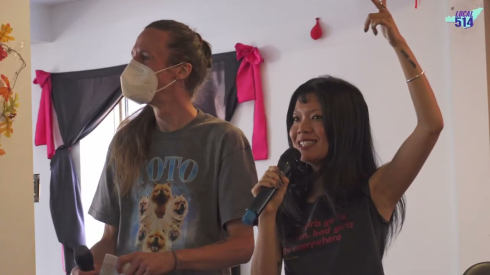
Montreal’s Defund Fest: honouring lives, building community
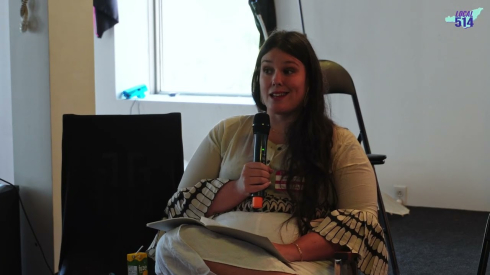
Montreal's Defund Fest: rethinking sex work and repression
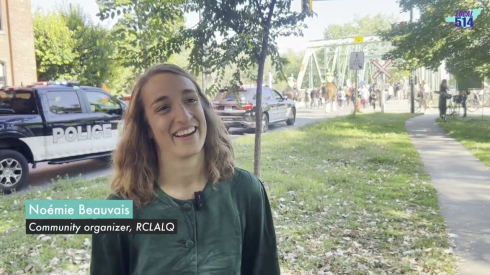
Montreal tenants push back: rent reform under fire

Commentaires
Nous encourageons les commentaires qui favorisent le dialogue sur les histoires que nous publions. Les commentaires seront modérés et publiés s'ils respectent ces lignes directrices:
Le portail des médias communautaires se réserve le droit de rejeter tout commentaire ne respectant pas ces normes minimales.