


- Mettre en route la vidéo
- Cliquer sur l’icône « CC » (Sous-titre) en bas à droite
- Cliquer sur l’icône « Settings » (Paramètre) en bas à droite
- Cliquer sur «Subtitles » (Sous-titres)
- Cliquer sur « Auto-translate » (Traduire automatiquement)
- Sélectionner la langue de votre choix
Airbus strike, Plante's Transit Worries, and Break for Developers
Welcome back to Metropolis, where we discuss the ideas and movements shaping Montréal.
Today’s episode is an off the cuff discussion about the Airbus workers strike in Mirabel; Valerie Plante’s worries about the lack of public transit funding; and a break given to real estate developers.
As of Sunday, workers at the Airbus plant in Mirabel rejected a contract given to them that would only raise their wages by 10% over three years. Immediately they gave their union representatives the right to call for a strike. This strike has gained international coverage due to Airbus’s position to benefit from Boeing’s plummeting reputation.
The A220, the jet made at the Mirabel plant, is in the same class as the Boeing 737 that is currently under a lot of public scrutiny given the plane’s malfunctions and mishaps over the last two months. Airbus plans to increase production of the jet to 14 units up from the 6 units a month at the end of 2022. The Quebec government has a 25% stake in the A220 project.
Union representatives have said that the workplace actions by members have changed the tone of Airbus at the negotiating table. Kalden and Dru discuss this workplace action in the larger context of subsidizing aerospace companies like Bombardier
Montréal mayor Valerie Plante has expressed concerns over the lack of public transit funding in Quebec’s budget. When compared to other provinces Québec’s ratio of public transit funding is less than Ontario’s. Dru and Kalden discuss the car infrastructure that dominates the province as well as Plante’s supposed powerlessness in these situations. A common line given from those in municipal positions.
Real estate developers in the city have been given a two year break from providing money to the fund for social and affordable housing. In the past developers were asked to either build social or affordable housing. If they didn't, then they were expected to give a few thousands in lieu of this construction. It was found that no single developer chose to build and instead would contribute. Now this contribution is being waived to offer developers a respite from the expectation to provide finances towards social and affordable housing. Dru and Kalden discuss the tepid fund that is now being tossed aside. An already small and ultimately insubstantial fee being waived is a sign of who the administration serves.
Ajouter un commentaire

Médias récents
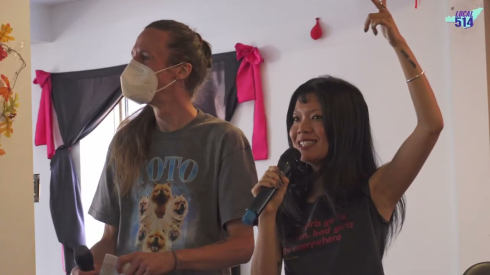
Montreal’s Defund Fest: honouring lives, building community
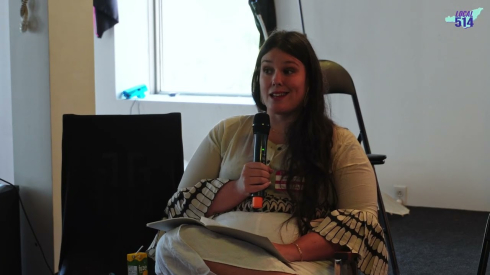
Montreal's Defund Fest: rethinking sex work and repression
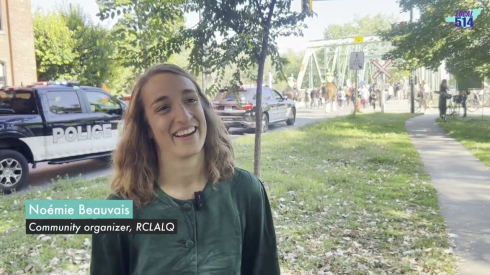
Montreal tenants push back: rent reform under fire





Commentaires
Nous encourageons les commentaires qui favorisent le dialogue sur les histoires que nous publions. Les commentaires seront modérés et publiés s'ils respectent ces lignes directrices:
Le portail des médias communautaires se réserve le droit de rejeter tout commentaire ne respectant pas ces normes minimales.