


- Mettre en route la vidéo
- Cliquer sur l’icône « CC » (Sous-titre) en bas à droite
- Cliquer sur l’icône « Settings » (Paramètre) en bas à droite
- Cliquer sur «Subtitles » (Sous-titres)
- Cliquer sur « Auto-translate » (Traduire automatiquement)
- Sélectionner la langue de votre choix
Montreal Council Discusses Recommendations for Reaching Sustainable Goals for Buildings in the City
The City of Montreal held a public session to present the recommendation of the Commission sur l'Eau, l'Environnement, le Développement Durable et les Grands Parcs, and to proceed to their adoption before proposing them to the administration. The recommendations were made following previous public consultations on the city's roadmap on the same subject, which aims to reduce greenhouse gas emissions and the carbon print of buildings by 2040.
Some of the city's recommendations included implementing the roadmap towards zero-emission Montreal buildings by 2040 aimed at decarbonizing the residential, institutional and commercial building sector, while also prohibiting that any new building on city territory be connected to a natural gas distribution network.
In their proposal, the city of Montreal stated it was working towards phasing out fossil fuel-based heating systems in existing buildings based on their useful life and environmental impact, to decarbonize the energy consumption, as well as, setting a maximum threshold of around 15 per cent for the use of natural gas depending on the type of existing building, including in the case of heritage buildings, and limit its use only during peak consumption periods.
Further, the proposal would also extend the obligation to declare all indoor fixed appliances using a fossil fuel to all residential, commercial and institutional real estate, and prohibit the installation of new indoor fixed appliances, including gas stoves, using fossil fuels in the buildings covered by the roadmap. Previous appliance would be replace with high-performance zero-emission appliances energy.
All these implementation would also make it easier to ensure energy availability for other sectors of activity, such as transportation.
The project is funded by the Department of Canadian Heritage and administered by the Canadian Association of Community Television Users and Stations (CACTUS).
Ajouter un commentaire

Médias récents
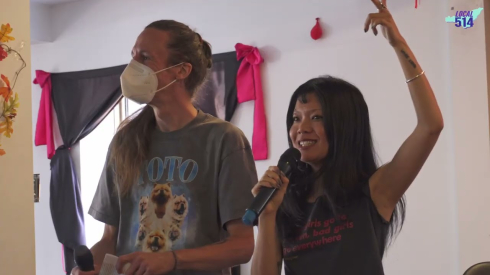
Montreal’s Defund Fest: honouring lives, building community
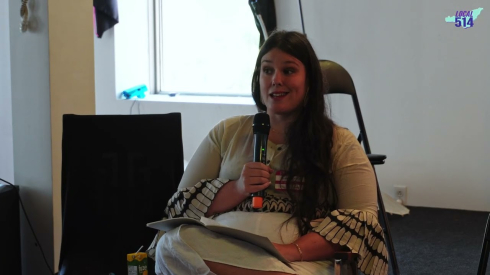
Montreal's Defund Fest: rethinking sex work and repression
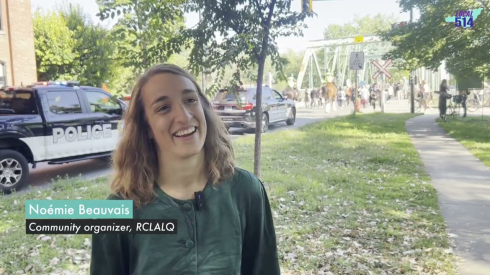
Montreal tenants push back: rent reform under fire




Commentaires
Nous encourageons les commentaires qui favorisent le dialogue sur les histoires que nous publions. Les commentaires seront modérés et publiés s'ils respectent ces lignes directrices:
Le portail des médias communautaires se réserve le droit de rejeter tout commentaire ne respectant pas ces normes minimales.