


- Mettre en route la vidéo
- Cliquer sur l’icône « CC » (Sous-titre) en bas à droite
- Cliquer sur l’icône « Settings » (Paramètre) en bas à droite
- Cliquer sur «Subtitles » (Sous-titres)
- Cliquer sur « Auto-translate » (Traduire automatiquement)
- Sélectionner la langue de votre choix
Renovictions on the rise in Montreal
In Montreal and the rest of the province, landlords can evict a tenant on the premise of a renovation – the term has been coined a “renoviction”. But in some cases, the renovations are never conducted and with the former tenants evicted – the landlord raises the price as much as they want to for future tenants.
Lack of assessment over whether renovations are being conducted or not after a renoviction has occurred are not being enforced, leading to a growing phenomenon of renovictions across Montreal.
Local 514 spoke with housing rights group the Coalition of Housing Committees and Tenants Associations of Quebec’s (RCLALQ) about the phenomenon of renovictions and illegal tactics by landlords.
Spokesperson for RCLALQ Cédric Dussault said that the major issue is Quebec enforcing laws. He clarified that it's up for tenants to stand up for their rights.
He explained that in situations of renovictions or even outside renovictions tenants can face many different forms of pressure, including physical violence and threats in extreme cases.
He said that eviction is an exceptional measure regulated by Quebec civil code, but there's no mechanism that's properly enforcing law and as a result, some tenants are threatened with eviction and fear this reality.
Dussault said the measure of eviction should be exceptional, but it's used and abused by landlords.
"It's really too easy to bypass laws protecting tenants rights," said Dussault.
From 2020 to 2021, renovictions increased in Montreal by 46%. Renoviction went up 46 per cent last year — from 597 in 2020 to 874 in 2021.
Access to support is delayed.
In the TAL’s 2022 report, they said the wait time for tenants to have an issue resolved by the TAL in Quebec was reduced from 5.1 months to 3.9 months. But waiting an average of close to 4 months for support can cause tenants to lose hope.
"When you are facing multiple problems with a landlord, at some point you're going to get tired, give up and abandon the battle," said Dussault." "A battle that's not equal between both parties, that’s why we must have mechanism thats enforcing laws."
Ajouter un commentaire

Médias récents
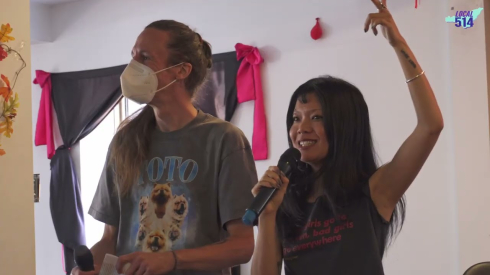
Montreal’s Defund Fest: honouring lives, building community
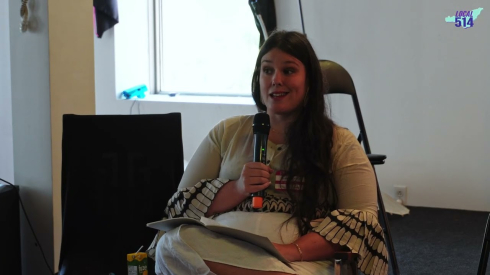
Montreal's Defund Fest: rethinking sex work and repression
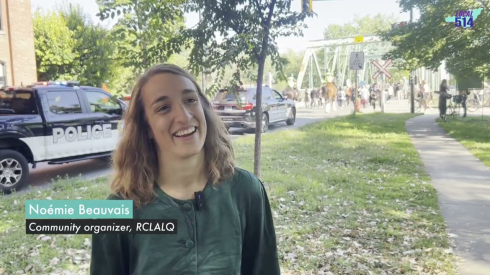
Montreal tenants push back: rent reform under fire





Commentaires
Nous encourageons les commentaires qui favorisent le dialogue sur les histoires que nous publions. Les commentaires seront modérés et publiés s'ils respectent ces lignes directrices:
Le portail des médias communautaires se réserve le droit de rejeter tout commentaire ne respectant pas ces normes minimales.