

- Mettre en route la vidéo
- Cliquer sur l’icône « CC » (Sous-titre) en bas à droite
- Cliquer sur l’icône « Settings » (Paramètre) en bas à droite
- Cliquer sur «Subtitles » (Sous-titres)
- Cliquer sur « Auto-translate » (Traduire automatiquement)
- Sélectionner la langue de votre choix
Montrealers and Canadians in general Question the Validity of Medical Assistance in Dying (MAID) for Some
Medical assistance in dying has drawn attention to the inequalities in our society, as some living with a non-life threatening disability, experiencing poverty or unable to access housing are seeking MAiD.
Alicia-Ann Pauld, a disability rights activist, spoke with Local 514 to further understand how the government is failing those living with disabilities.
Pauld says that while the government will cover accomodations, such as a wheel chair or walker, you need to go through the healthcare system first to have a medical professional approve this.
"Consultations can take months – it’s impossible to see anyone under 6 months and sometimes it's another 6 months to have those things," said Pauld.
"You need to have someone attest that you need it, even if obvious you do," said Pauld. "There's not a lot of people working those jobs ... we are gatekeeping these resources."
In Quebec, over one million people are waiting to receive a family doctor. Without one, they receive delays in accessing healthcare. For a person with disabilities, this can result in delays in receiving the support and referrals they need.
Eligibility for MAiD was set to expand in March of this year, with those with a mental illness as their sole underlying medical condition able to seek MAiD if they meet eligibility. However, the federal government has delayed expansion until 2024 in order to continue studies assessing this and figure out a proper way to implement it.
Journalist Jeremy Appel said in some cases MAiD promotes eugenics.
"There are already so many examples of people with disabilities being offered MAID because their needs can't be provided for," said Appel.
There have been five cases where veterans experiencing post-traumatic stress disorder were offered assisted suicide by a now-suspended Veterans Affairs Canada caseworker. The case is currently under investigation by the Royal Canadian Mounted Police.
Cindy McKay is a board member of Les Habitations adaptées et accessibles TANGO, a housing cooperative that is partially subsidized and made for those living with a disability. McKay, who’s also been a resident of TANGO for 10 years, says it’s upsetting to see cases in the news of where people living with disabilities are requesting MAiD when they can’t access essential needs.
Georges L’Espérance the president of the Association québécoise pour le droit de mourir dans la dignité said MAID is essential because people must have the choice to die with dignity.
"Poverty not a reason to [access] MAID," said L’Espérance. "Each case is special and we must look at each case with compassion and empathy."
Ajouter un commentaire

Médias récents
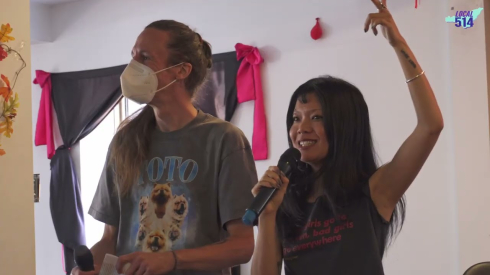
Montreal’s Defund Fest: honouring lives, building community
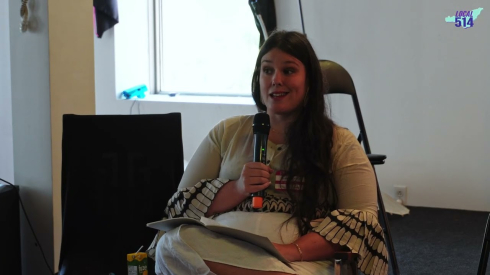
Montreal's Defund Fest: rethinking sex work and repression
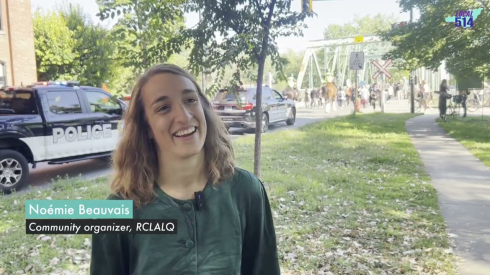
Montreal tenants push back: rent reform under fire

Commentaires
Nous encourageons les commentaires qui favorisent le dialogue sur les histoires que nous publions. Les commentaires seront modérés et publiés s'ils respectent ces lignes directrices:
Le portail des médias communautaires se réserve le droit de rejeter tout commentaire ne respectant pas ces normes minimales.