


- Mettre en route la vidéo
- Cliquer sur l’icône « CC » (Sous-titre) en bas à droite
- Cliquer sur l’icône « Settings » (Paramètre) en bas à droite
- Cliquer sur «Subtitles » (Sous-titres)
- Cliquer sur « Auto-translate » (Traduire automatiquement)
- Sélectionner la langue de votre choix
How North America's largest cooperative works with Nathan McDonnell
Milton Park has a rich history in Montreal, not only as a neighbourhood but as a community of activists. Originally started in the 1980s when the threat of developers would potentially take over the neighbourhood, residents got together to fight for their right to control their community and preserve affordable housing.
Today, Milton Park has become the largest cooperative in North America. The neighbourhood is community-owner and controlled. They own commercial spaces that bring revenue and have been able to start numerous projects.
Nathan McDonnell, a long-time member of the Milton Park Citizen’s Committee says the cooperative’s success is due to three factors: the strong sense of activism that has continuously been present in the community; the interest that the federal government had in the 80s for social housing was a crucial element to building the movement; and an economic crisis at the time also helped the organization grow.
Milton Park Citizens Committee runs two collective gardens, a food bank, a community library, and a three-storey building. With their continuous community organizing, they mobilize for the fight against the privatization of massive land plots occupied by decommissioned hospitals.
The decommissioned hospitals of Hotel Hôtel-Dieu and Royal Victoria, the Milton Park community have advocated against these spaces being privitalized. The idea instead is to use these buildings to provide essential social services like healthcare, cooperative housing for families, non-profit social housing, spaces for community services, art and culture, and urban agriculture. If these buildings remain public domain, they will serve the common good and be managed democratically and economically, just like Milton Park itself.
Ajouter un commentaire

Médias récents
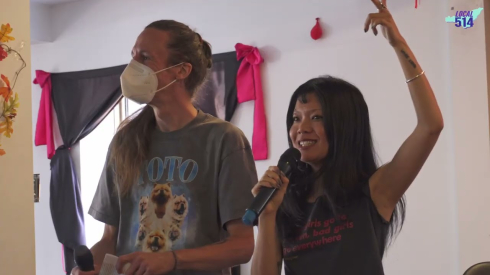
Montreal’s Defund Fest: honouring lives, building community
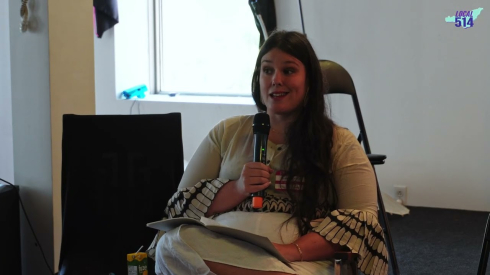
Montreal's Defund Fest: rethinking sex work and repression
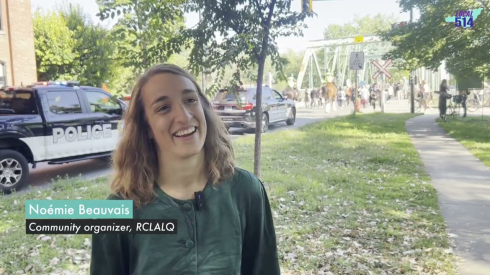
Montreal tenants push back: rent reform under fire






Commentaires
Nous encourageons les commentaires qui favorisent le dialogue sur les histoires que nous publions. Les commentaires seront modérés et publiés s'ils respectent ces lignes directrices:
Le portail des médias communautaires se réserve le droit de rejeter tout commentaire ne respectant pas ces normes minimales.