


- Mettre en route la vidéo
- Cliquer sur l’icône « CC » (Sous-titre) en bas à droite
- Cliquer sur l’icône « Settings » (Paramètre) en bas à droite
- Cliquer sur «Subtitles » (Sous-titres)
- Cliquer sur « Auto-translate » (Traduire automatiquement)
- Sélectionner la langue de votre choix
Is police violence a PUBLIC HEALTH issue?
On today’s instalment of Metropolis, host Kalden Dhatsenpa speaks to CUTV video journalist, Aude Simon, about the murder of Abisay Cruz by Montréal police and specifically how it’s been affecting community workers. Aude begins the segment with a clip of her interview with community worker Stephanie Germain. Stephanie shares the profound challenges of building trust with youth in Montreal’s predominantly black and latino neighbourhoods following the high-profile murder of Abisay Cruz by SPVM on March 30th in Saint-Michel.
Aude and Kalden explore how this violent event has intensified existing challenges faced by marginalized communities, deepening skepticism towards the police and other public institutions. For many youth, Cruz’s death underscores a painful history of systemic neglect and mistrust, making efforts to foster meaningful engagement and institutional trust even more difficult. The two speak at length about other cases of black or latino men in and around Montréal who were experiencing mental health crises but were met by the SPVM with deadly force, rather than the health support they needed.
Aude highlights a reflection of Stephanie Germain who asserts that we must see police violence, not as a public safety issue, but one about public health. If health crises are met with institutional force then treatment and rehabilitation and paths towards healing will be delayed and even neglected entirely. By shifting the narrative from policing as security to policing as public health, some community workers believe there is potential to rebuild relationships, create safer environments, and foster genuine trust. This discussion stresses that achieving this requires systemic change, investment in community-led initiatives, and a reimagining of how society supports its most vulnerable members. Ultimately, the murder of Abisay Cruz serves as a catalyst for urgent conversations about justice, safety, and healing in Montreal’s Black and Latino communities.
Ajouter un commentaire

Médias récents
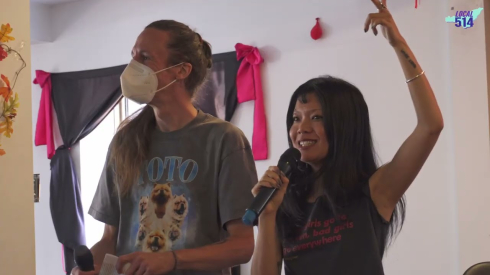
Montreal’s Defund Fest: honouring lives, building community
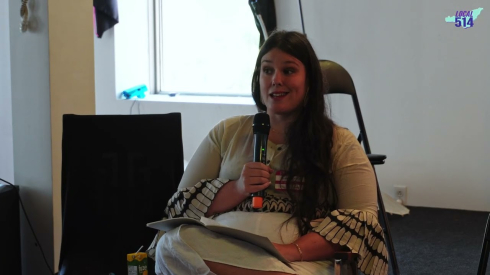
Montreal's Defund Fest: rethinking sex work and repression
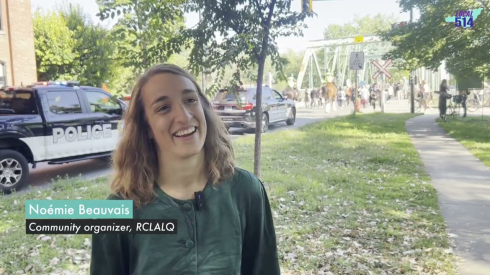
Montreal tenants push back: rent reform under fire





Commentaires
Nous encourageons les commentaires qui favorisent le dialogue sur les histoires que nous publions. Les commentaires seront modérés et publiés s'ils respectent ces lignes directrices:
Le portail des médias communautaires se réserve le droit de rejeter tout commentaire ne respectant pas ces normes minimales.