


- Mettre en route la vidéo
- Cliquer sur l’icône « CC » (Sous-titre) en bas à droite
- Cliquer sur l’icône « Settings » (Paramètre) en bas à droite
- Cliquer sur «Subtitles » (Sous-titres)
- Cliquer sur « Auto-translate » (Traduire automatiquement)
- Sélectionner la langue de votre choix
Advocates Warn Québec’s Rent Reform Could Deepen Housing Crisis in Montreal
Félix Marois, housing rights advocate at the Bureau d’animation et information logement (BAIL), is sounding the alarm over Québec’s proposed changes to its rent-setting regulations. Speaking on behalf of the organization, Marois outlines why BAIL joined a petition launched by the Regroupement des comités logement et associations de locataires du Québec (RCLALQ) to demand the withdrawal of the reform.
At the heart of the opposition is a proposed 5% fixed rate for capital expenditures, costs tenants would have to absorb indefinitely, even after building improvements are paid off. Marois calls this a direct attack on the social function of housing, warning that it shifts the burden of property investments onto renters while prioritizing investor returns.
Another key concern is the government's proposed formula for calculating allowable rent increases. By linking the calculation to general inflation rather than housing-specific costs, Marois explains, the reform would have legitimized significantly higher rent increases over the past decade, despite stagnating tenant incomes and growing affordability gaps.
In a province already facing record-low vacancy rates and rising housing insecurity, Marois says the proposed regulation would worsen the crisis. BAIL and other members of RCLALQ are demanding a rent freeze and a new framework for rent control that prioritizes balance, transparency, and tenant protection.
He also points to a widening gap between government policy and tenants’ lived realities, particularly those of low-income renters. The interview ends with a call to action: tenants and allies must speak out, sign the petition, and pressure elected officials to uphold housing as a fundamental human right.
Ajouter un commentaire

Médias récents
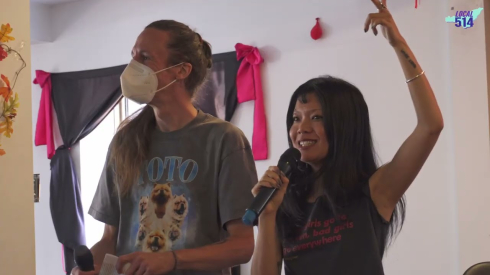
Montreal’s Defund Fest: honouring lives, building community
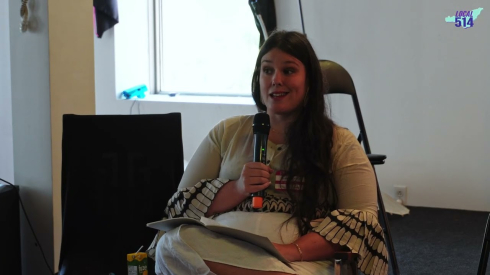
Montreal's Defund Fest: rethinking sex work and repression
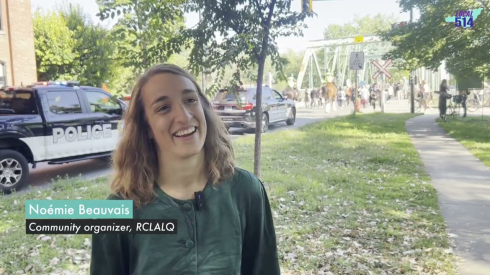
Montreal tenants push back: rent reform under fire





Commentaires
Nous encourageons les commentaires qui favorisent le dialogue sur les histoires que nous publions. Les commentaires seront modérés et publiés s'ils respectent ces lignes directrices:
Le portail des médias communautaires se réserve le droit de rejeter tout commentaire ne respectant pas ces normes minimales.